
A well-organized workspace is essential for both efficiency and creativity. Over the years, I’ve learned that while a bit of creative chaos can fuel inspiration, a tidy environment is crucial for sustained productivity. In my studio— which doubles as a feline-friendly area—every tool and supply has its place, ensuring that both my work and my cats can coexist comfortably.
Assessing Your Needs
Before diving into a major reorganization, it’s important to assess what you already have. I start by taking a detailed inventory of my supplies. This means reviewing each bin of yarn, every set of needles, and all my craft books to determine what I use regularly and what sits idle until an occasional project arises.
Recently, I’ve noticed that items like superwash DK, sock yarn scraps, and black worsted yarns are staples in my day-to-day work. Recognizing these usage patterns helps me decide which items need to be within arm’s reach and which can be stored away for later.
Understanding Your Space
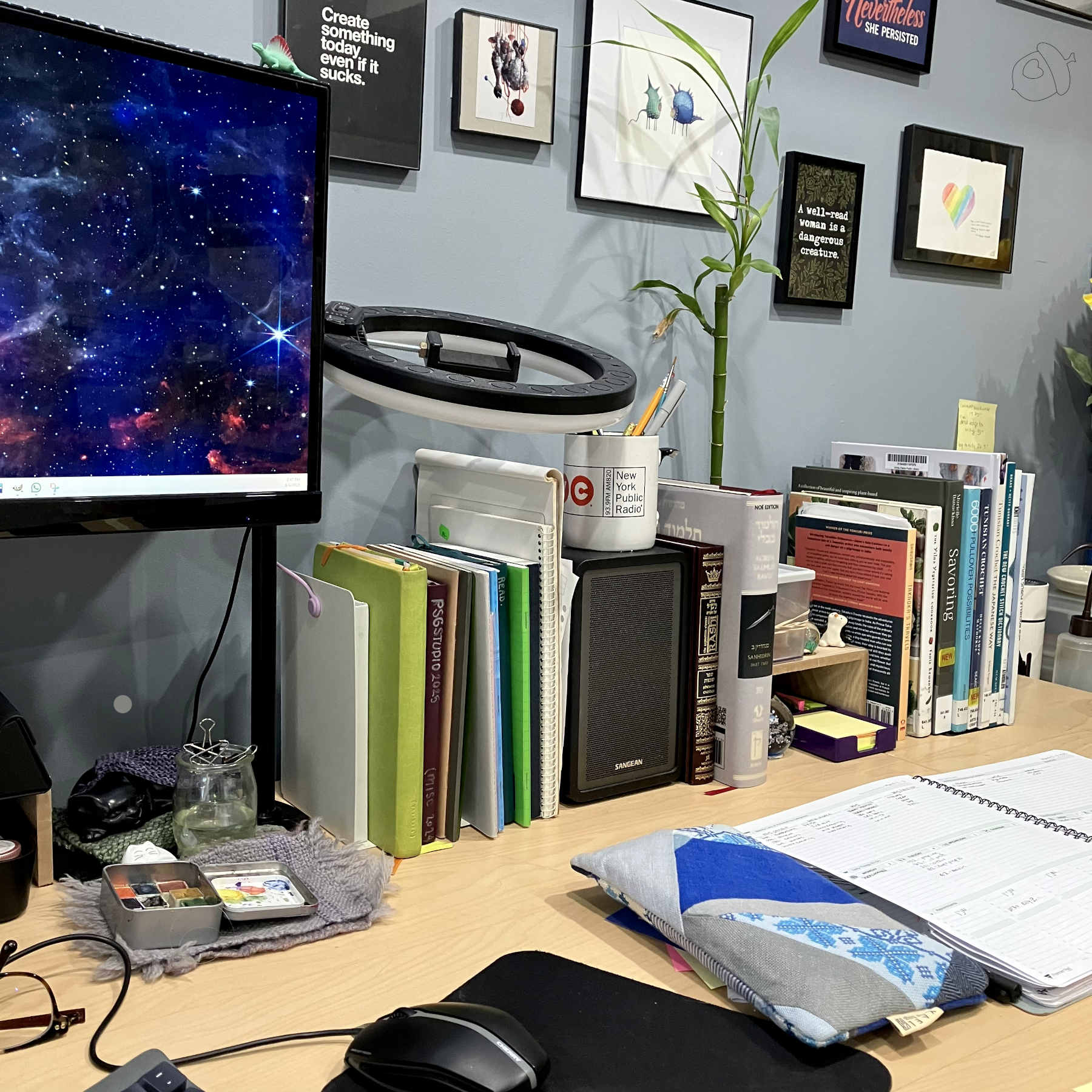
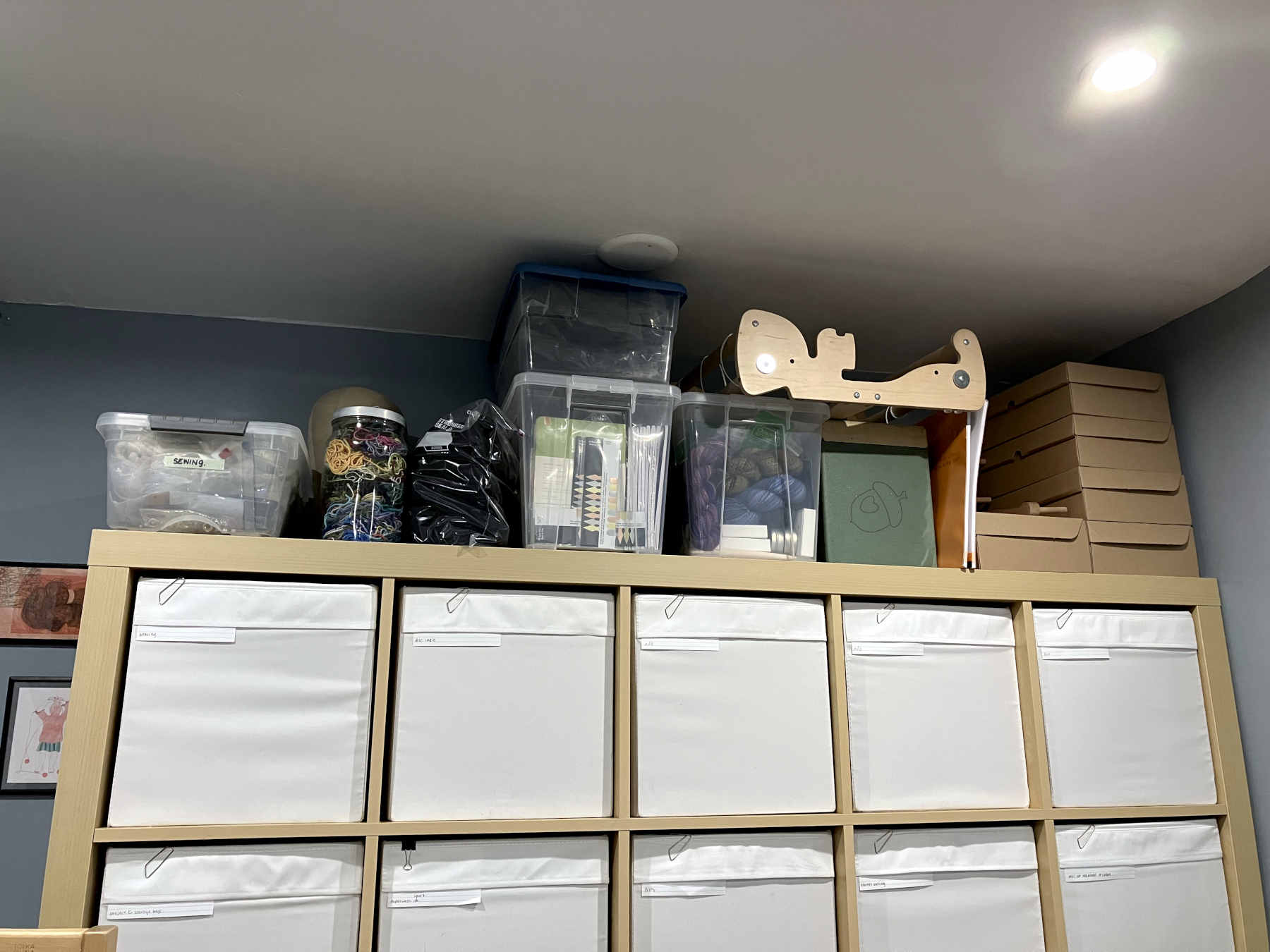
A practical organization plan begins with a clear understanding of your available space. My studio serves multiple purposes: it’s the hub for my technology consulting, a creative center for my design work, and a personal retreat – I have hobbies too. With so many roles to fulfill, making the most of every square inch including underutilized areas is key. For example, I’ve noticed that while additional storage helped me organize supplies better, it came at the expense of horizontal workspace. Balancing these needs is an ongoing challenge—one that involves careful planning to possibly reintroduce items like my knitting machine or even invest in a floor loom if the space allows.
Practical Organization Strategies
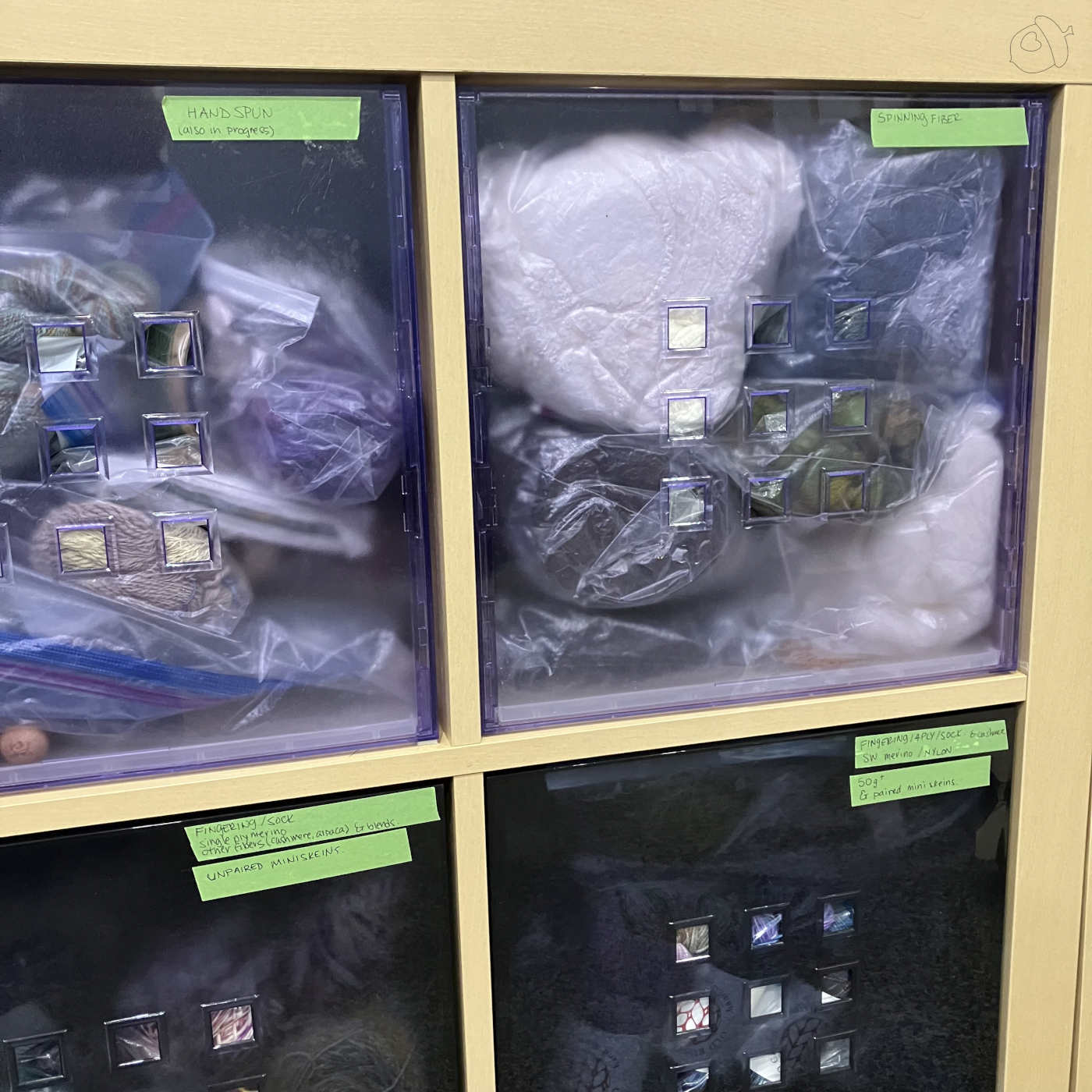
To streamline my workspace, I rely on a few core strategies. First, I group items by function. Each type of craft has its designated storage solution: watercolor supplies, weaving tools, and spinning accessories (like spare bobbins and niddy noddies) all have separate, clearly defined spaces. This grouping ensures that when a project calls for specific tools, they’re easy to locate without rummaging through unrelated materials.
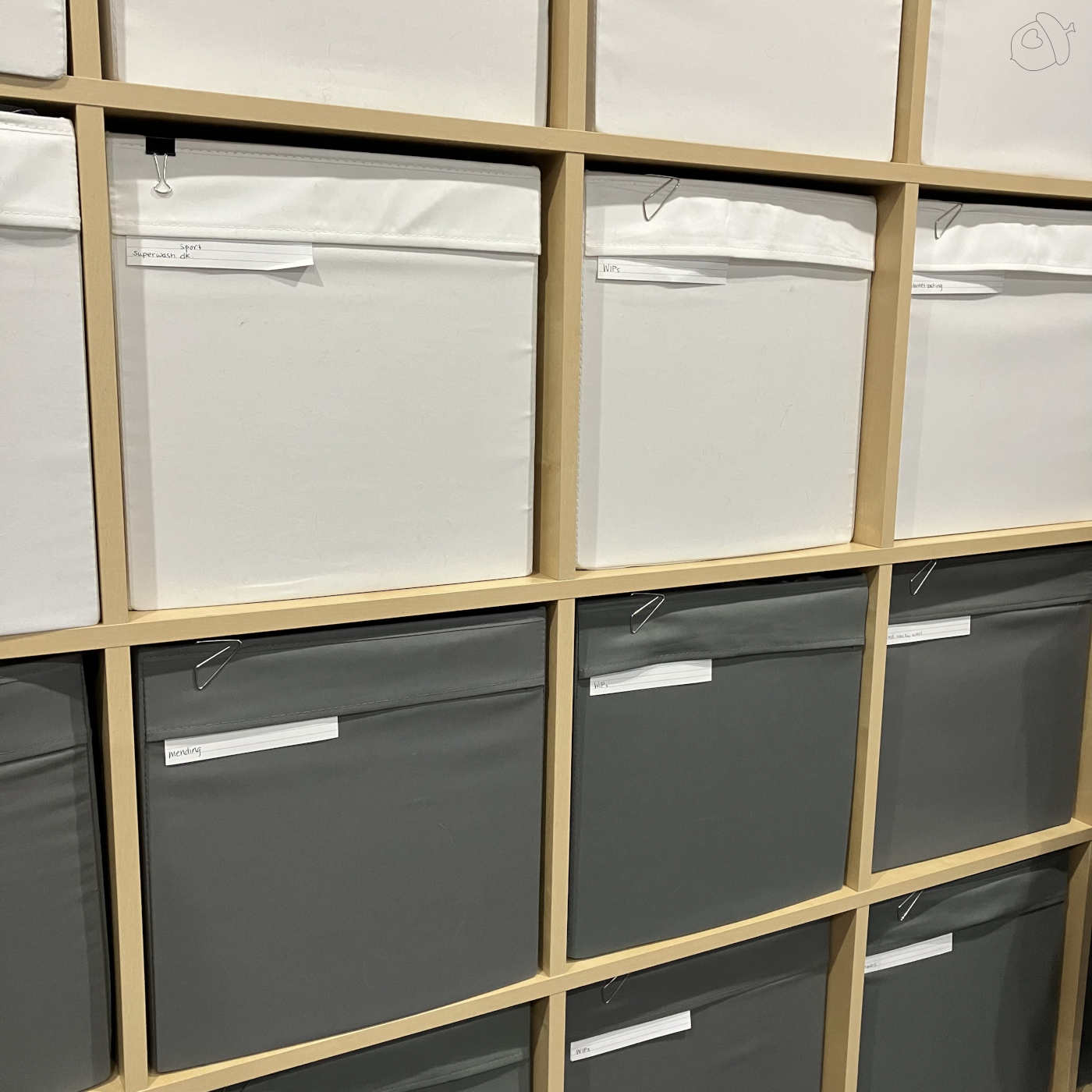
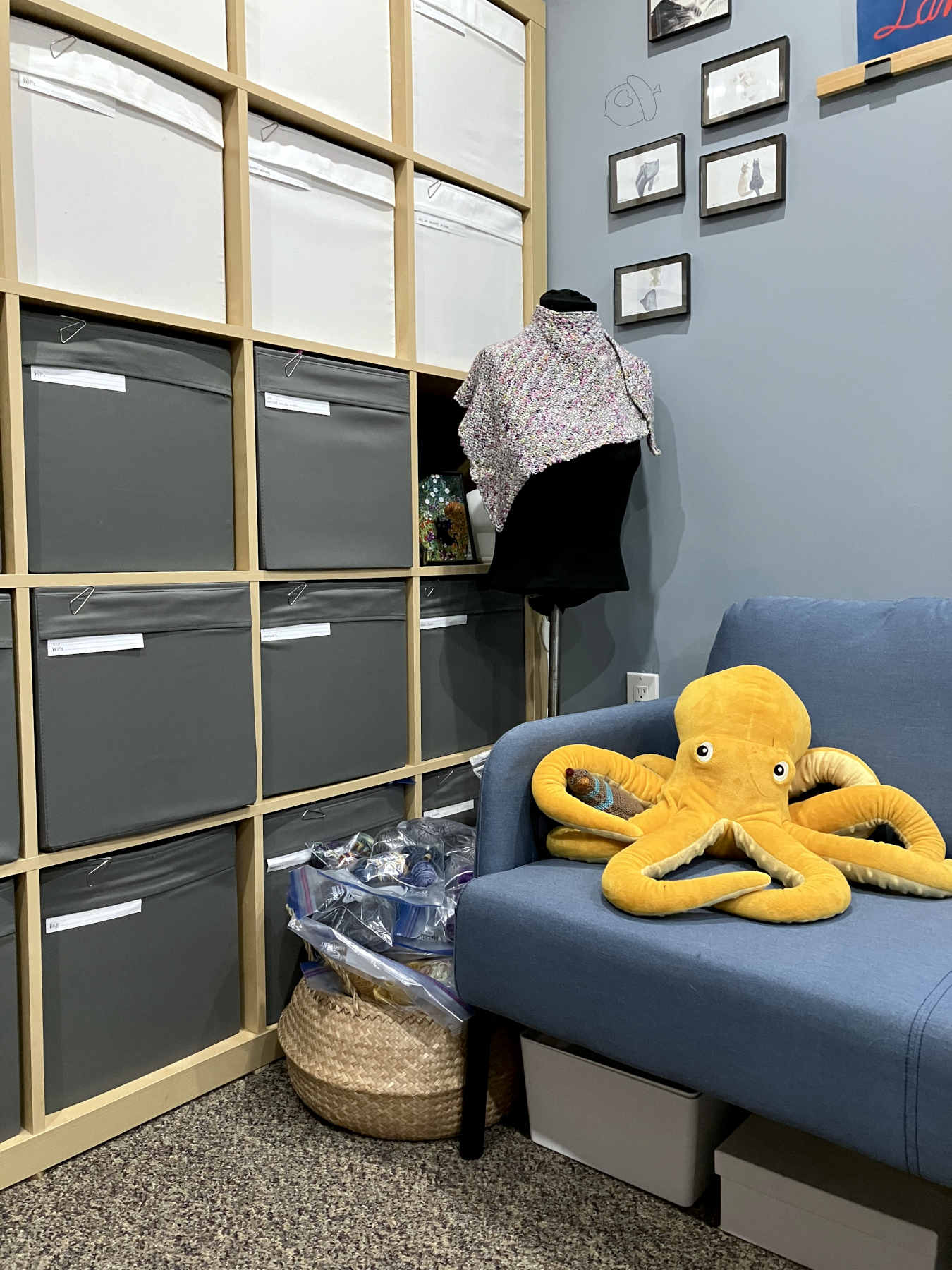
Clear labeling is another essential element. Using labels on storage bins and drawers not only keeps my items safe from curious cats but also speeds up the process of finding what I need. I rely on modular storage systems that can be rearranged as my collection evolves. This flexibility means I’m not locked into a single solution; instead, I can adjust my organization as projects and supply needs change over time.
Choosing Quality Solutions
Selecting the right storage pieces makes a significant difference in maintaining order. I’ve been a long-time user of Ikea solutions—having assembled and adapted many of their pieces over the past 25 years—and I’ve found them to be reliable when chosen carefully. The key is to select items that not only fit your space but also match your aesthetic. An organizational tool should be both functional and pleasing to the eye; if you dislike the system, it will quickly become a source of frustration rather than a solution.
Maintaining Your Organized System
An organized workspace isn’t a one-time achievement—it requires ongoing attention. Regular decluttering is critical. I periodically review my supplies to discard or donate items that are no longer needed. This practice prevents clutter from building up and keeps the space functional. In addition, I’ve developed a routine of tidying my desk every night. This habit, inspired by a simple kitchen cleaning method I encountered in my early twenties, has helped me maintain focus and start each day with a clear mind.
Adapting to Change
Finally, it’s important to remain flexible. As your projects evolve, so will your storage needs. What works well today might require a tweak or a complete overhaul in the future. Embracing change and being open to experimentation with new strategies will ensure your workspace continues to support your creativity.
A thoughtfully organized space enhances productivity and fosters a creative environment. By assessing personal needs, understanding available space, and employing practical strategies for grouping, labeling, and flexible storage, you can create a workspace that adapts and works with you. I encourage you to experiment with these techniques and refine them to suit your workflow. An organized workspace is not just about neatness—it’s a vital tool for unlocking creativity and achieving success.


This is a 2025 update and consolidation of posts first written in 2014.
Leave a Reply