
In the past week, two projects required restarting. Both are from well-written patterns and all errors were of the PEBCAK1 variety. For the first project, gauge was initially ignored, followed by overlooking the fabric being knitted. Now, confidence is high that the third time’s the charm, I’ll need to knit a little further to make sure. The second project presented a different learning experience. Months of knitting were ripped out and the yarn rewound. Gauge was spot on. I adored the fabric I was knitting. My calculations were correct. So, what wasn’t right? The starting number.
Embracing Imperfection
Everyone has faced the frustration of a project not going as planned. However, these moments are not failures but opportunities to learn and innovate. Embracing mistakes allows exploration of new techniques, a better understanding of materials, and ultimately leads to becoming more skilled at our work.
Practical Tips for Managing Mistakes
Here are some strategies to navigate and learn from errors in knitting and crochet projects:
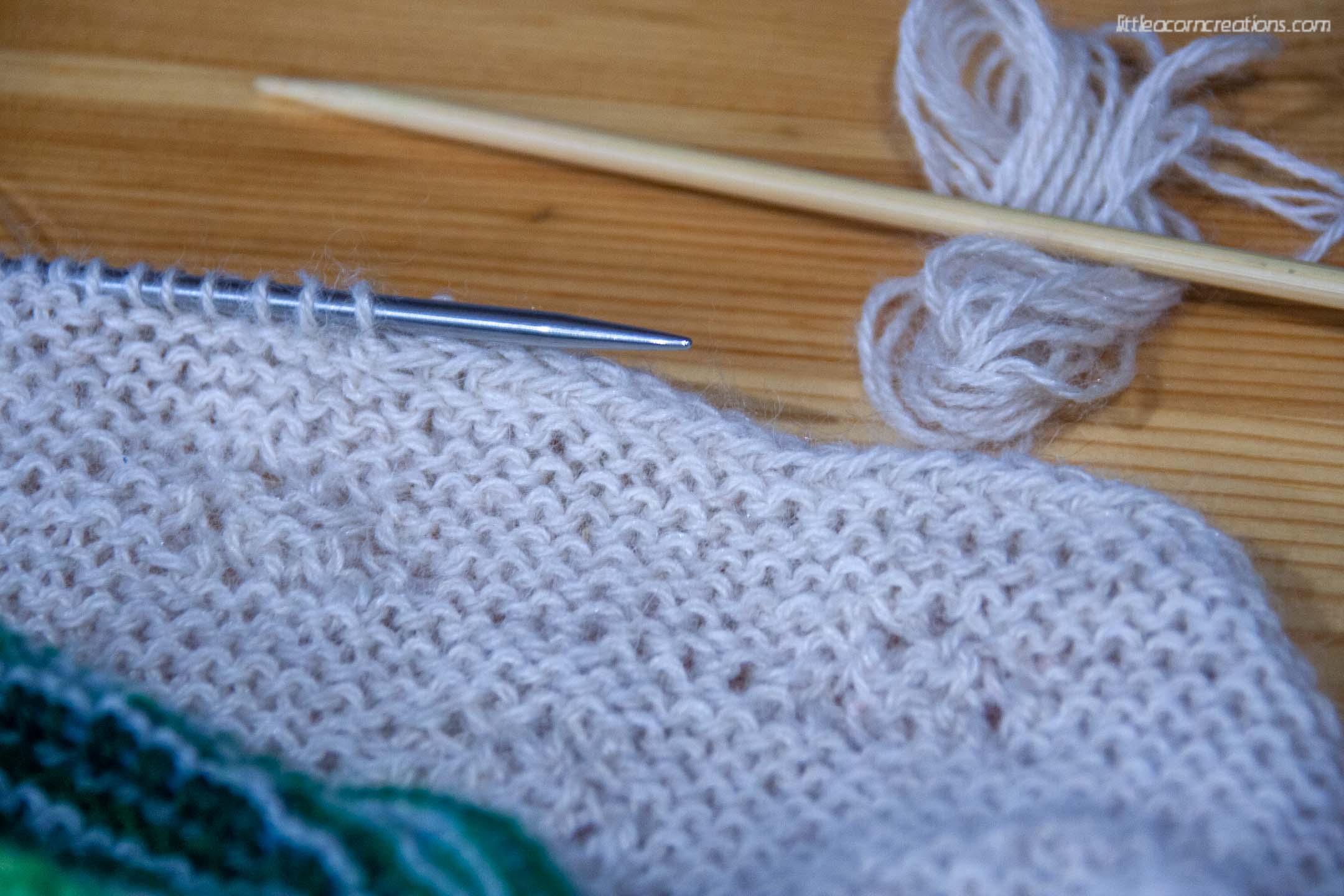
- Pause and Reflect: Upon noticing a mistake, take a moment to assess the situation. Understanding what went wrong is the first step toward finding a solution. Even if you are tempted to fix it immediately, I’ve found a pause often means I only have to fix it once.
- Use Lifelines: In knitting, a lifeline is a thread placed through a row of stitches that acts as a safety net. This makes it much more straightforward to unraveling back to a known “good point”. This also helps prevent one stitch dropping back further than desired. There’s several ways to go about this, if you want to learn please contact me for a lesson.
- Stitch Markers are for Everyone: Stitch markers are invaluable tools in knitting and crochet, serving as visual cues that help track progress and maintain accurate stitch counts. While it’s possible to learn to read your fabric without them, using stitch markers can significantly reduce errors. Embracing stitch markers, regardless of skill level, contributes to more enjoyable and precise crafting sessions.
- Undo with Care: Whether it’s a misaligned pattern repeat or a dropped stitch, carefully undo the error. Gently unravel stitches, minimizing the risk of further mistakes. I recommend doing this in a clean brightly lit work area, and often do it when I know the cat will be deeply asleep and not as curious.
- Experiment with Corrections: Sometimes, a mistake can lead to a creative design element. Embrace the opportunity to incorporate the error into the project, adding unique character to the work.
- Seek Support: Engage with local groups or online communities. Sharing experiences and solutions with supportive friends can provide new perspectives and techniques. Still need help? I’m available!
- Write it all down: What, you didn’t think I’d find a way to sneak in notebooks?
Recommended Reading
Looking for more advice?
- Knitting Without Tears by Elizabeth Zimmermann
A timeless classic. EZ’s techniques help us see that every error is a natural part of the creative process, paving the way for innovative and personal designs. - Right Kind of Wrong: How the Best Teams Use Failure to Succeed by Amy Edmondson
This book offers a different perspective on failure—one that resonates with me —mistakes are steps toward mastery. By reframing errors as valuable learning experiences, this book explores creative risks and the rewards.2
A New Perspective
Shifting your focus from perfection to growth transforms every project into a canvas for creativity. Mistakes aren’t the end, they’re part of the story that makes each creation special.
Embracing mistakes, learning from them, and allowing your technique to evolve with every stitch leads to a more fulfilling creative journey.
What did I learn from my two restarted projects? For the project that required me to undo months of work, it’s to pause and double check all parts of my maths. The wrong starting number is right there in my notebook. The knitting that I restarted three times in quick succession built on those lessons, but I jumped in because I just wanted to start knitting. If I’d paused and taken a few minutes to do some quick maths I would have quickly ruled out the first version. Don’t allow your creativity to be restrained by perfectionism, there’s resilience in every corrected mistake.
Leave a Reply