
My students are all convinced I knit and crochet everything perfectly from the start.
I don’t.
The other week at the sisterhood’s blanket group, which I facilitate, a crocheter was frustrated that she was ripping out, again. Her voice was full of exasperation as she remarked to the group, “Penny never does this, she’s an expert.” They all agreed and started to comment on how nicely I knit.
My reply shocked the group.
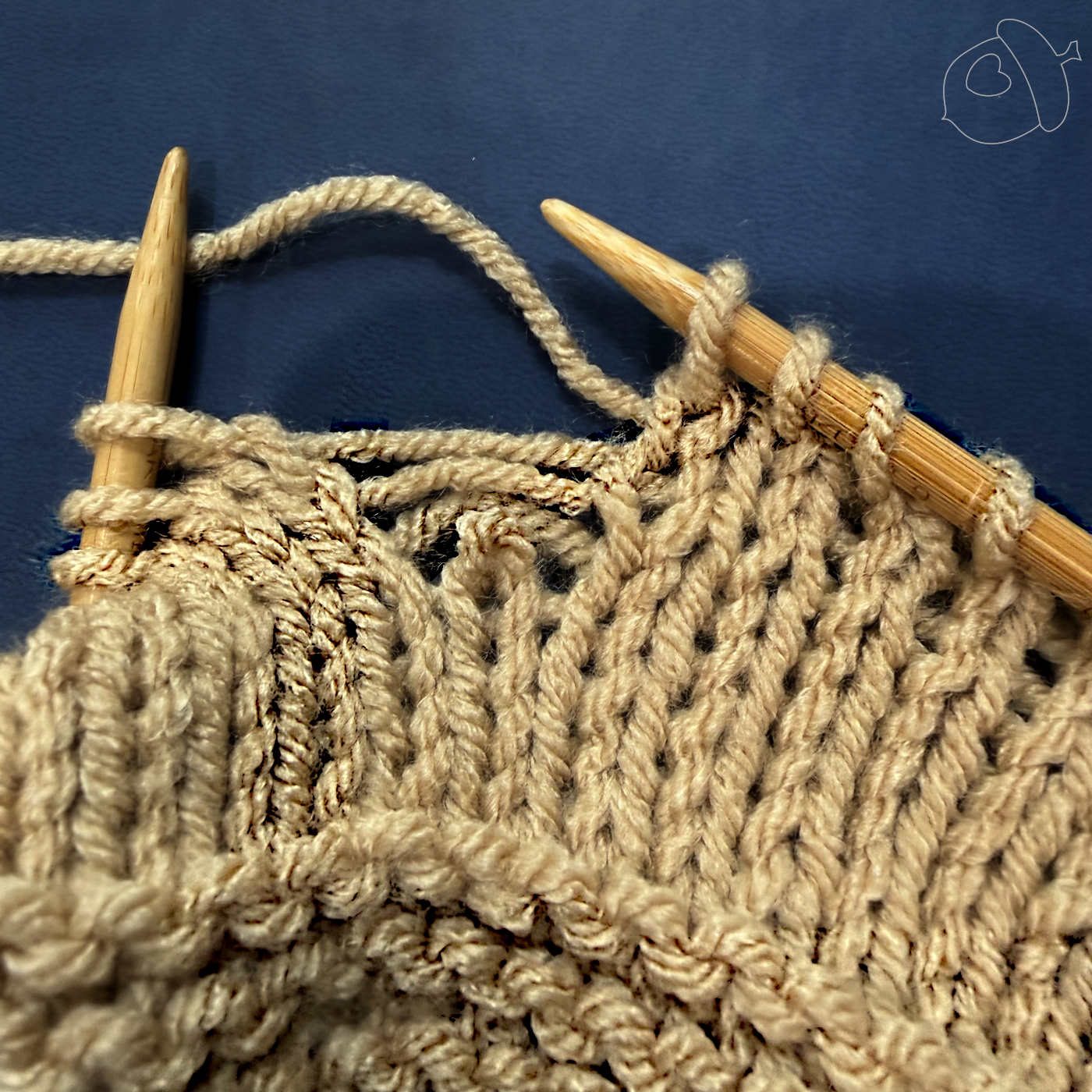
I’d broken into peals of laughter. After some repeated bouts because the quizzical look of the group set me off again, I gathered myself and explained that I often rip out double what I knit or crochet for any project. The difference is I’ve become expert at starting over. I know when I should rip and while I don’t aim for absolute perfection, I don’t hold the work as precious.
That group’s discussion meandered off as it’s wont to do for that group, so I didn’t get a chance to further explore the importance of swatches and notes.
As chance would have it, that afternoon, a student expressed frustration and worry about ripping back, so we worked on lifelines, which are often just a string threaded through a row (or round) of knitting at a known good point. They’re most common in fine intricate lace shawl knitting, but I use them whenever I’m certain of where I am and concerned about the next section of work. I’ve been known to add a lifeline after a collar, halfway through a yoke, and anywhere I think they give me some more safety. Crocheters don’t need to feel left out; I often identify and mark what I call a “safe stitch”. I use a locking stitch marker on a stitch I know is at a good point, since crochet doesn’t let you drop down a column to fix a mistake the way knitting does.
Neither group really gave me an opening to wax poetic (again) about why swatches are important. It’s why I swatch for gauge. It’s also why I create fundamental swatches to practice techniques, and hopefully reduce the need to undo my work.
I don’t like to rip out hours or months of work. I’m not a perfectionist. But some things can’t be fudged. A raglan increase line needs to match; however, miscounting a cast on by one, and adding a stitch to make the 1×1 ribbing work, doesn’t need to be ripped out. It took me years to accept that using stitch markers for pattern repeats doesn’t make me a weak knitter; it makes me a smart one. They’re there to help me, and skipping them is a bit silly.
If you’d like help with any of these, lesson slots and space in the Thursday afternoon group are available.
Leave a Reply