
The other day at knitting group, talk turned to knots in balls of yarn. Many were venting their frustration, and they seemed surprised that I just shrugged it off. I sometimes forget that I’ve worked in the industry (and watched way too many episodes of How It’s Made) so I have different insight and understanding. Since this group is still new, I’ve been hearing myths I thought were debunked years ago. Well, they were debunked for me. This post will be part of an occasional series where I tackle some of these persistent beliefs. The first was about what makes an easy care yarn.
The Mill Process
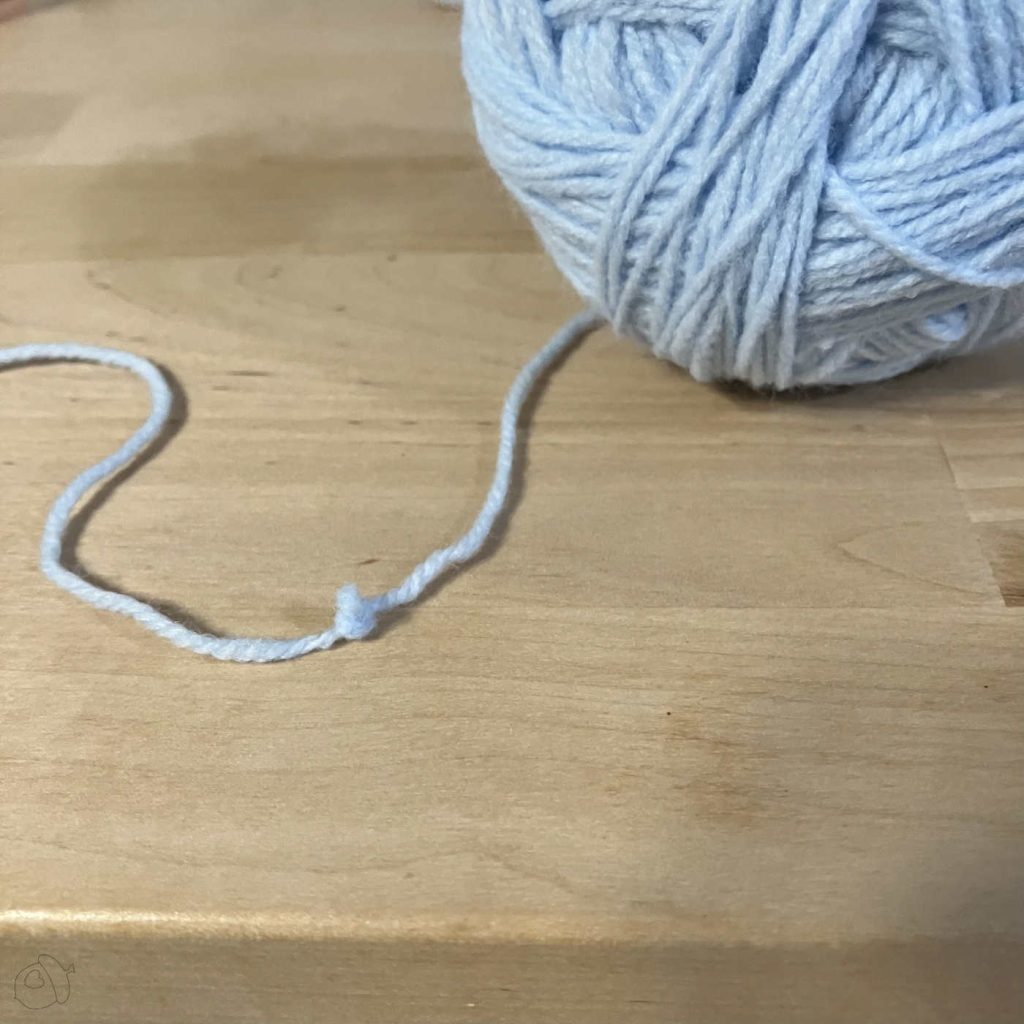
Yarn is spun and wound in massive lengths (often kilometers at a time) to keep costs down. Breaks happen, so mills tie the ends together rather than waste good yarn. Even hand-dyed bases start as commercial yarn, so before being dyed, they go through the same manufacturing process with the same knot risk.
Some say 2-3 knots in a 50g skein is considered “acceptable.” Is there an actual industry standard? I haven’t been able to track one down, though I’ve seen it mentioned by toft and in various forums over the years. Most indie dyers offer knot-free skeins, but knots aren’t unheard of.
When We Make Knots on Purpose
Sometimes we deliberately make knots. Magic balls (those multicolored yarn cakes made from scraps of varying lengths) rely entirely on joins to connect leftover bits. If knots work for magic balls, they can certainly work in regular yarn. It’s about how you handle them.
Handling the Unexpected
When you encounter a knot, treat it like joining a new ball. Pick or cut it out and make a join you can trust.
But what if you encounter it in the middle of your row? Many knitters were taught “never change yarn mid-row!” which may explain why knots cause such frustration. Personally I find changing yarns on the edges can cause other issues, so here’s how to manage them.
Special consideration for patterned yarns: Knots in self-striping or patterned yarn can throw off your color sequence, turning matching socks into fraternal twins. While I prefer my socks to be slightly mismatched, I know not everyone does. For these yarns, I suggest that you rewind the yarn before starting to locate any knots and make a plan for how to handle them.
Please resist the urge to just knit over a knot, it may come undone or create weirdness in your fabric. The exception is when you know how the knot was made, such as in a magic ball.
What you choose depends on your yarn’s fiber and construction. A single ply or novelty yarn has different considerations than a wool spun multi-ply. These are the techniques I use most:
- Feltable wools: spit splice or Russian Join (blog post – craftsy.com)
- Everything else: here’s two magic knot tutorials (blog post, photo tutorial – nimble-needles.com; blog post video & photo tutorial – purlsandpixels.com) or Russian Join (blog post – craftsy.com)
Should you add a dab of no fray or other fabric fix? I haven’t for years. It can change both color and feel of your yarn (and fabric) so please swatch!
There are more options! Practice on swatches first to see what works for you. Intentionally knot some yarn, try different joins, then abuse your swatch to see what holds up.
Why Save All That Work for Finishing?
Whether you’re dealing with a knot or just switching skeins, you’ll end up with tails to manage. Instead of saving them all for the finish:
- Crochet: Crochet in Ends as You Go (blog post – kelbournewoolens.com)
- Knitting: Weaving in Ends While You Work (video – youtube.com)
Embracing the Process
Every skein tells a story of its journey from fiber to your hands. Sometimes that includes a knot where someone kept the process moving instead of wasting perfectly good yarn.
Learning to handle joins and weave ends increases your skills. When you know how to work with imperfections, knots stop being disasters and become just another technique to master.
That’s intentional making: taking what comes and making it work beautifully.
Leave a Reply